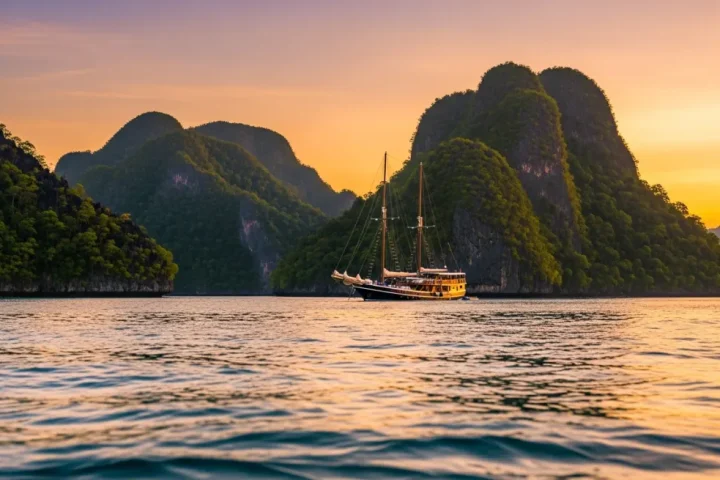
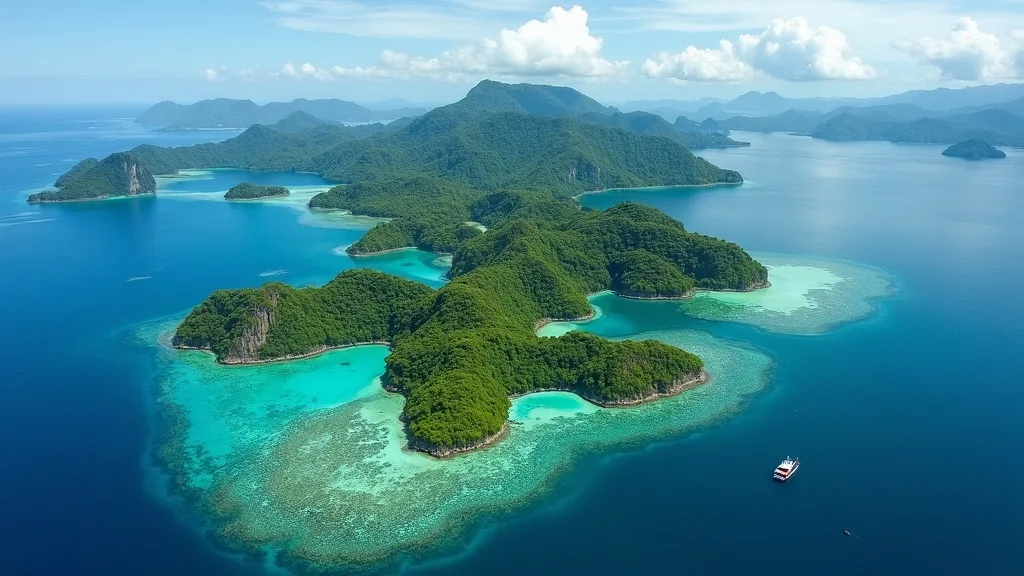
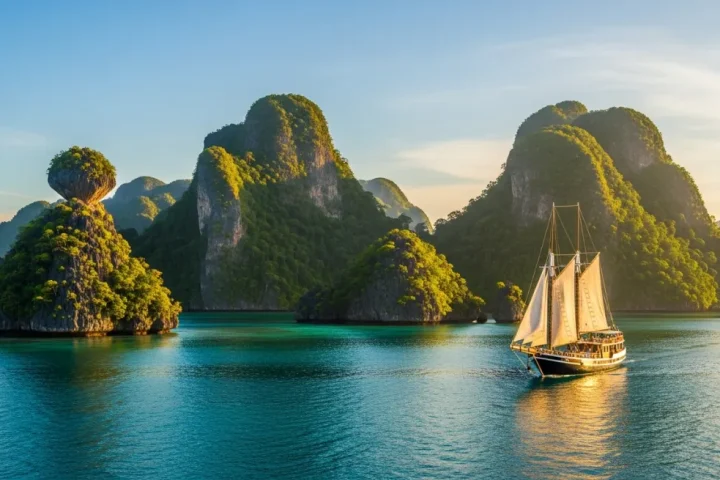
Raja Ampat eco-friendly day boat charters in 2027 prioritise marine conservation and sustainable tourism practices. These operators use fuel-efficient vessels, adhere to strict waste management, and support local communities, ensuring minimal environmental impact while offering exceptional day trips. This approach helps preserve the region’s unique biodiversity for future generations.
Eco-Friendly Raja Ampat Day Boat Charters: Sustainable Tourism in 2027
The pristine waters and vibrant coral reefs of Raja Ampat continue to draw visitors from across the globe, and as we look towards 2027, the emphasis on sustainable tourism becomes even more critical. Day boat charters, offering access to the archipelago’s beauty without the extended commitment of liveaboards, are increasingly adopting eco-friendly practices. This ensures that the marine ecosystems are preserved for future generations, aligning with the growing demand for responsible travel.
For those planning a visit between October 2027 and April 2028, these months represent the ideal season for calm seas and exceptional water visibility, often exceeding 20–30 metres. January to March 2027, in particular, offers peak conditions for diving and snorkeling, with visibility potentially surpassing 30 metres, making it perfect for underwater photography and exploration. Even during the quieter months of May and September, which offer fewer tourists and more privacy, eco-conscious day boat operators remain committed to their environmental responsibilities.
The Importance of Sustainable Practices in Raja Ampat
Raja Ampat’s designation as a marine protected area underscores the necessity of sustainable tourism. The region is home to an extraordinary diversity of marine life, including over 1,500 species of fish, 500 species of coral, and 700 species of molluscs. Protecting this biodiversity from the impacts of tourism is paramount. Eco-friendly day boat charters contribute significantly to this effort through several key initiatives:
- Minimising Carbon Footprint: Operators increasingly invest in fuel-efficient engines and optimise routes to reduce emissions. Some are exploring hybrid or electric propulsion systems for shorter Raja Ampat one-day boat tours, anticipating technological advancements by 2027.
- Waste Management: Strict ‘leave no trace’ policies are enforced. All waste, including plastics and food scraps, is brought back to shore for proper disposal. Many charters also provide reusable water bottles and discourage single-use plastics onboard.
- Supporting Local Communities: Engaging local guides, purchasing supplies from local vendors, and contributing to community-led conservation projects are integral to sustainable operations. This ensures that tourism benefits the people who call Raja Ampat home.
- Marine Conservation Education: Guides on these charters often provide educational briefings on marine life, coral reef etiquette, and the importance of conservation, fostering a greater appreciation for the environment among visitors.
- Responsible Wildlife Interaction: Adherence to guidelines for interacting with marine life, such as maintaining a respectful distance from corals and animals, is strictly observed to prevent disturbance or damage.
Choosing Your Sustainable Raja Ampat Day Trip 2027
When selecting a day boat charter for your sustainable Raja Ampat tourism day trip in 2027, look for operators with transparent environmental policies. Enquire about their waste management, fuel efficiency, and community engagement programmes. Reputable companies will be keen to share their initiatives.
While exact pricing can vary, an open trip speedboat package (similar to the 4D3N IndonesiaJuara benchmark of Rp 8,000,000 per person for a minimum of four participants) provides a baseline for shared costs. Private day charters, naturally, incur higher expenses, with luxury options potentially mirroring the liveaboard rates starting from $3,500/night for vessels like the Alexa Private Cruises. However, for day trips, these costs are significantly lower and often include equipment, guides, and meals.
Raja Ampat Marine Conservation Boat Tours 2027
The focus on Raja Ampat marine conservation boat tours in 2027 extends beyond just avoiding harm; it actively seeks to contribute to the region’s ecological health. Many charters partner with local and international conservation organisations, offering guests opportunities to participate in citizen science projects, such as coral monitoring or marine debris clean-ups. This hands-on involvement allows visitors to directly contribute to the preservation efforts.
Charters operating within designated Marine Protected Areas (MPAs) also contribute through conservation fees, which are then reinvested into patrols, research, and community programmes aimed at protecting the reefs and their inhabitants. Understanding these contributions can help you choose a charter that aligns with your values. For those interested in exploring more about what we offer, our Raja Ampat day boat charter options provide detailed insights into our commitment to sustainable practices.
2027 Note: The information presented here is based on current trends and projections for sustainable tourism and environmental practices in Raja Ampat. While specific technological advancements or regulatory changes may occur, the core principles of eco-friendly operations are expected to remain consistent and increasingly vital.
Planning Your Visit: Key Considerations
When planning your Raja Ampat day boat charter for 2027, consider the following:
| Consideration | Details for 2027 |
|---|---|
| Best Season | October 2027 – April 2028 for optimal conditions. |
| Peak Diving Months | January – March 2027 (visibility >30m). |
| Quiet Season | May and September 2027 (fewer tourists, potential light rain). |
| Permits | Raja Ampat Marine Park Entry Permit (PIN) remains mandatory. |
| Accommodation | Options range from homestays to luxury resorts in Waisai or nearby islands. |
Remember that securing your day boat charter in advance, especially for the peak months, is advisable. This ensures you can select an operator that aligns with your eco-friendly preferences and secures your preferred dates.
FAQ
How can I find and choose an eco-friendly Raja Ampat day boat charter in 2027 that supports sustainable tourism and marine conservation?
To find and choose an eco-friendly Raja Ampat day boat charter in 2027, prioritise operators who explicitly state their commitment to sustainable practices. Look for certifications or affiliations with reputable conservation organisations, transparent waste management policies, and the use of fuel-efficient vessels. Verify if they contribute to local community development or marine conservation projects. Reading reviews that mention environmental responsibility and directly enquiring about their specific eco-initiatives will provide confidence in your selection.
What are the typical costs associated with an eco-friendly Raja Ampat day boat charter in 2027, and what do they usually include?
The typical costs for an eco-friendly Raja Ampat day boat charter in 2027 vary depending on whether it’s a shared ‘open trip’ or a private charter. Shared trips might benchmark around Rp 8,000,000 per person for multi-day packages (like the 4D3N benchmark), but day trips will be considerably less. Private day charters are more expensive, reflecting the exclusivity. Generally, costs include the boat and crew, fuel, guided snorkeling or diving, lunch, snacks, water, and often the Raja Ampat Marine Park Entry Permit (PIN). Some may also include equipment rental.
What specific environmental regulations or guidelines should visitors be aware of when participating in Raja Ampat marine conservation boat tours in 2027?
Visitors participating in Raja Ampat marine conservation boat tours in 2027 should be aware of several key environmental regulations and guidelines. Always maintain a respectful distance from marine life and coral reefs; touching or collecting anything is strictly prohibited. Avoid using single-use plastics and ensure all waste is properly disposed of on the boat for return to shore. Adhere to speed limits in sensitive areas, use reef-safe sunscreen, and follow all instructions from your guide regarding responsible interaction with the environment to minimise your impact.